Adventure Therapy

Velotherapy

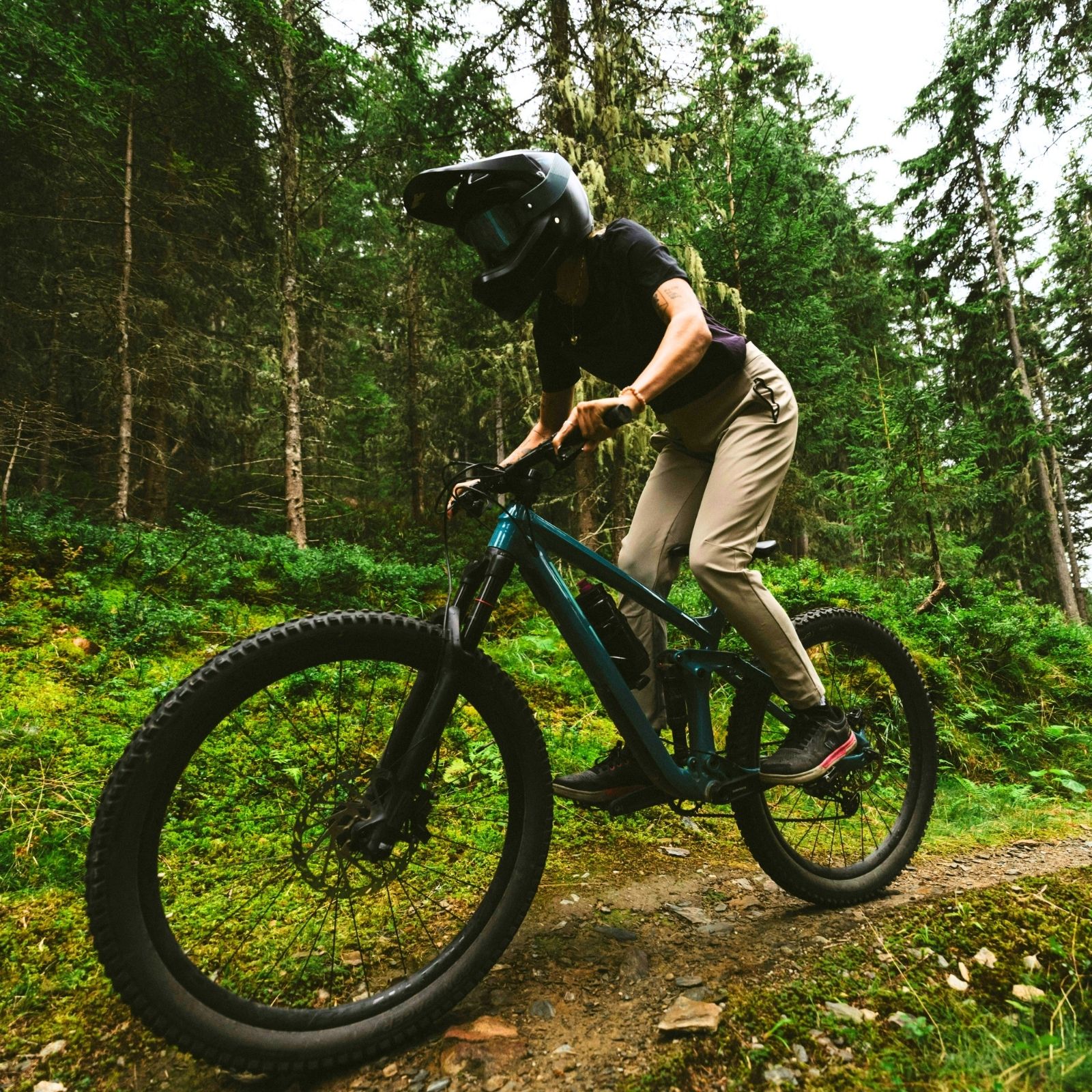
Active trail-based program that leverages mountainbike-based nature immersion and flow-state neurology to calm anxiety, overcome fear and helps to reframe neurodivergence away from social stigma.
Book Your free Strategy Session

Rediscover your flow state

Remember that feeling when you first learned to ride a bike as a kid?

That moment you pedaled down the driveway on your own—it wasn't just about speed; it was your very first taste of true independence. That bicycle was your passport to autonomy. It gave you the freedom to explore beyond your street, to choose your own line, and to chart your own path. 

Velotherapy is built on tapping back into that exact sensation. In a world that so often leaves us feeling boxed in, anxious, or bogged down by daily routine, getting back on two wheels isn't just exercise—it's a deliberate return to that innate sense of agency, discovery, and pure, unfiltered freedom.

I've been riding MTBs since 1987 and, as a certified coach and ride guide, I totally appreciate how the sport can benefit our mental wellbeing and physical health, whether you're a total beginner or seasoned weekend warrior. This specialised program leverages MTB-based nature immersion and flow-state neurology to calm anxiety, overcome fear on the trail and helps to reframe neurodivergence away from social stigma. 

How Velotherapy helps you overcome challenges and improve mental wellbeing

ADHD & Executive Dysfunction

Resetting the Brain in Real Time

ADHD often comes with low dopamine levels, a constant battle for focus, and restless energy that makes sitting still feel impossible.

  • Flow-State Focus: Riding trails demands full presence. Reading the terrain triggers instant focus, tapping into flow states that boost dopamine and sharpen executive function naturally.
  • Nature-Driven Brain Rest: Being out in green spaces lets the brain pay effortless attention, giving overworked focus mechanisms a chance to recharge without feeling drained.
  • Channeling Extra Energy: Instead of fighting restless physical energy, Velotherapy turns it into momentum, converting extra energy into real speed and skill on the trail.
  • How It Differs from Traditional Therapy: Rather than asking a hyperactive mind to sit quietly in an office, it transforms therapeutic progress into an active, engaging physical experience.

Low Self-Esteem & Imposter Syndrome

Building Confidence Through Action

Low confidence and imposter syndrome usually feed on internal negative self-talk and fear of making mistakes.

  • Real Proof of Capability: Real confidence comes from doing. Cleaning a tricky trail section or conquering a tough climb delivers immediate, undeniable proof of what you can achieve.
  • Learning from Every Line: Missing a line or putting a foot down isn't failure—it's instant feedback. It shifts the focus from perfection to learning and growing every time you ride.
  • Mastery Over Validation: Hitting physical goals anchors personal worth in real-world accomplishment rather than relying on external approval.
  • How It Differs from Traditional Therapy: It moves beyond talking about self-worth to creating undeniable, hands-on growth on the bike.

PTSD, Trauma & Stress Regulation

Finding Grounding in Motion

Trauma can leave the nervous system stuck on high alert or feeling disconnected, making standard face-to-face sessions feel overwhelming.

  • Rhythmic Rhythm & Calm: The steady, left-right rhythm of pedaling offers natural bilateral stimulation, grounding the body and easing nervous system arousal.
  • Side-by-Side Connection: Moving together along a trail removes the intensity of sitting direct eye-to-eye, creating a relaxed, natural environment for conversation to happen organically.
  • Reconnecting with Your Body: Dynamic movement and outdoor scenery help re-establish a healthy, positive connection with physical sensation in a safe space.
  • How It Differs from Traditional Therapy: It replaces clinical interrogation with a supportive, body-first approach powered by motion and nature.

4. Burnout, Stress & Anxiety:
Hitting the Reset Button

Ongoing stress keeps the body flooded with cortisol, causing fatigue, mental exhaustion, and endless overthinking.

  • Forced Mental Presence: You can't worry about life or work while navigating rocks and roots. Riding demands complete focus, giving your brain a genuine break from stress loops.
  • Burning Off Stress Chemicals: Sustained physical effort helps burn through built-up adrenaline and cortisol, physically clearing stress out of your system.
  • Natural Decompression: Fresh air, sunlight, and green trails active help lower heart rate and transition the body into a relaxed, restorative state.
  • How It Differs from Traditional Therapy: Instead of just discussing stress, it actively disrupts the body's physical stress response through movement.

5. Social Isolation:
Shared Adventures, Real Connections

Feeling isolated often comes from exhausting social pressures or lack of authentic connection.

  • Shared Purpose over Small Talk: Connections grow naturally around a shared adventure—tackling trails and exploring the outdoors together without forced social pressure.
  • Authentic Community: Riding in a supportive group builds camaraderie, encouraging belonging rooted in shared effort, fun, and mutual encouragement.
  • The Great Equaliser: Out on the trail, backgrounds and social status disappear—everyone is simply part of the pack, experiencing the ride together.
  • How It Differs from Traditional Therapy: It moves beyond one-on-one office setups into active, welcoming outdoor communities.

6. Depression:
Sparking Energy and Neuroplasticity

Depression can lock you into low energy, brain fog, and a feeling of being stuck in place.

  • Boosting Brain Chemistry: Aerobic exercise outdoors releases endorphins and stimulates neuroplasticity, helping to lift mood, clear brain fog, and spark motivation.
  • Breaking the Freeze State: Getting your wheels turning creates physical momentum, helping pull your mind forward out of heavy emotional inertia.
  • Resetting Your Internal Clock: Natural sunlight during outdoor rides helps align your circadian rhythm, promoting alertness by day and better rest by night.
  • How It Differs from Traditional Therapy: It replaces static introspection with forward motion and energizing real-world experiences.

7. Substance & Alcohol Management:
Natural Highs over Habitual Loops

Substance use often stems from a need to escape stress, numb pain, or quickly switch off a buzzing mind.

  • Healthy Neurochemical Rewards: Trail riding delivers natural dopamine and endorphin boosts, offering a clean, energizing high that supports long-term wellness.
  • Mastering the State-Change: Need to reset after a hard day? Conquering a trail climb or descents triggers a powerful, natural mood reset without needing substances.
  • Fun, Clean Socializing: Replace drinking-focused socializing with outdoor adventures, building identity around capability, exploration, and fun.
  • How It Differs from Traditional Therapy: Focuses on active, positive replacements rather than just discussing triggers and restraint.

8. Lifestyle & Fitness Reframing:
Capability Over Aesthetics

Health efforts often fail when driven by guilt, strict rules, or unrealistic aesthetic pressure.

  • Focusing on What Your Body Can Do: Velotherapy shifts the goal from how you look to what you can achieve. Food becomes the energy to power your ride and tackle new terrain.
  • Listening to Body Cues: Riding heightens your awareness of hydration, rest, and nutrition, making healthy choices a natural part of feeling good on the trail.
  • Measuring Real Growth: Progress means riding further, navigating features smoothly, and recovering faster—building a sustainable, empowering lifestyle.
  • How It Differs from Traditional Therapy: Replaces restrictive diets and self-criticism with functional strength and rewarding physical progress.

9. Emotional Regulation & Anger:
Constructive Outlets in Nature

Anger is high-energy power looking for an outlet; holding it in often increases internal tension.

  • Healthy Physical Release: Pushing hard up a hill gives high-arousal energy a safe, constructive exit route while clearing stress hormones.
  • Controlled Focus: Technical riding requires control over aggression. The trail quickly teaches you to channel intensity into smooth, focused balance.
  • Reclaiming Personal Control: Overcoming trail challenges restores a sense of agency, training your nervous system to stay cool under pressure.
  • How It Differs from Traditional Therapy: Instead of asking you to suppress big feelings, it gives you a healthy physical space to process and master them.

10. Managing Everyday Anxiety:
Reframing Fear and Finding Flow

Anxiety tricks the body into feeling constant danger, leading to muscle tension and relentless worry about the future.

  • Safe Physical Arousal: Riding raises your heart rate and breathing in a safe, fun setting, helping your body realise that an elevated heart rate doesn't mean panic.
  • Living in the Present: Negotiating immediate terrain forces complete presence, instantly pulling your attention away from abstract worries and back into the moment.
  • Expanding Your Comfort Zone: Taking on small, manageable trail challenges builds real-world confidence that eases daily stress.
  • How It Differs from Traditional Therapy: It uses hands-on, real-time physical calibration on the trail rather than abstract thought exercises.

11. Navigating Life Changes:
Finding Balance in Transition

Major transitions—like career moves, family shifts, or loss—can make life feel unstable and overwhelming.

  • Adapting to Unpredictable Terrain: Navigating changing trail conditions provides a physical feel for handling life's twists and turns with balance and resilience.
  • Embracing Adventure: Reframing uncertainty into an exploratory mindset helps build curiosity and lowers fear when facing the unknown.
  • Rebuilding Confidence: When life feels chaotic, the bike offers a grounding space to rediscover your core strength and confidence.
  • How It Differs from Traditional Therapy: It offers a dynamic physical outlet to practice fluidity and adaptation in real time.

12. Better Sleep & Rest:
Resetting Body and Mind

Trouble sleeping is often caused by late-night racing thoughts, lack of physical fatigue, and too much screen time.

  • Natural Light Alignment: Time outdoors in natural sunlight helps regulate melatonin levels, supporting healthier circadian rhythms and sleep cycles.
  • Healthy Physical Fatigue: Modern life leaves us mentally tired but physically inactive. Velotherapy builds deep, satisfying physical fatigue, helping sleep come naturally.
  • Lower Evening Stress: Clearing out stress hormones during daytime rides prevents late-night cortisol spikes and overthinking.
  • How It Differs from Traditional Therapy: Directly addresses the physiological drivers of rest through natural light and real physical engagement.

13. Unplugging from Screens:
Trading Scrolling for Real Trails

Excessive screen time drains attention, increases anxiety, and keeps us disconnected from real-world experiences.

  • Frictionless Digital Detox: With both hands on the handlebars and eyes on the path ahead, riding forces a natural, enjoyable break from phones and screens.
  • Rich Real-World Engagement: Nothing on a screen compares to the feeling of moving fast through nature, satisfying the brain's need for stimulation through authentic, outdoor fun.
  • Active Creation Over Passive Scrolling: Shifts you from watching someone else's highlights to being the active hero of your own outdoor adventure.
  • How It Differs from Traditional Therapy: It effortlessly steps away from digital habits into an immersive, high-fun physical environment.

Frequently Asked Questions

What is Velotherapy?

Velotherapy is a specialised approach that takes therapeutic intervention out of the traditional office and onto the trails. By combining strategic psychotherapy and mindset mentoring with mountain bike-based nature immersion, we leverage physical movement and natural spaces to help you break through mental blocks, calm a hyper-aroused nervous system, and build lasting capability.

Book Your free Strategy Session

What makes Velotherapy unique?

Most therapies rely solely on sitting and talking about the past. Velotherapy focuses entirely on the present and the future, using the unique psychology of the trail to create a direct mind-body connection. The bike demands absolute focus, which naturally interrupts anxious overthinking and triggers a powerful neurological flow state that you can translate directly back into your daily life.

Book Your free Strategy Session

What are the key differences between therapy and coaching?

Focus:

  • Therapy: Focuses on healing past wounds, addressing emotional distress, and resolving psychological issues.
  • Coaching: Focuses on present and future goals, enhancing performance, and developing skills.

Time Orientation:

  • Therapy: Often explores past experiences to understand current challenges.
  • Coaching: Primarily concentrates on current actions and future outcomes.

Professional Scope:

  • Therapy: Conducted by licensed mental health professionals (psychologists, counselors, etc.) who can diagnose and treat mental health disorders.
  • Coaching: Conducted by trained professionals who guide individuals toward personal or professional goals, but do not diagnose or treat mental illness.

Problem vs. Goal:

  • Therapy: Often problem focused, working to resolve or alleviate psychological pain.
  • Coaching: Generally goal focused, working to achieve a desired outcome.

Medical Model vs. Developmental Model:

  • Therapy: Often uses a medical model, where the therapist is the expert, and the client is the patient.
  • Coaching: Uses a developmental model, where the client is the expert of their own life, and the coach is a facilitator.
Book Your free Strategy Session

How many sessions does it take to see results?

Because this approach is built on a brief, strategic therapeutic model, we don't believe in endless, open-ended talk loops. Many clients report experiencing a profound shift in perspective, reduced anxiety, and enhanced internal control within their very first session. Our signature packages are structured to create sustainable, independent habits in a short timeframe.

Book Your free Strategy Session

What issues can Velotherapy help me overcome?

Velotherapy is custom-built to target chronic daily stress, generalised anxiety, low tolerance for uncertainty, and fear-based blockages—such as a rider trying to regain confidence after a nasty crash. It is also an incredibly powerful framework for neurodivergent individuals, specifically helping people with ADHD channel their focus and reframe their cognitive wiring as a high-octane superpower.

Book Your free Strategy Session

Do I need my own mountain bike?

Not necessarily. While riding a familiar bike is ideal if you already own one, we can easily coordinate and arrange appropriate equipment solutions based on your individual needs, location, and comfort level prior to our first outdoor trail session.

Book Your free Strategy Session

What are your qualifications as a therapist and mountain bike coach?

I combine a career in corporate marketing and adventure sport media with professional clinical credentials. I am a trained Strategic Psychotherapist and Hypnotherapist, as well as a certified PMBIA and AusCycling Coach. I regularly work with elite local organizations like Chocolate Foot and MTB23, ensuring your sessions are structurally sound, clinically safe, and highly practical.

Book Your free Strategy Session

What level of mountain biking experience do I need?

None at all. Whether you are a total beginner who has never turned a wheel on the dirt or a seasoned weekend warrior, Velotherapy is tailored entirely to where you are at. The focus is on the psychological and somatic experience of riding in nature, not on your athletic prowess or technical speed.

Book Your free Strategy Session

How is Velotherapy different from traditional talk therapy?

Traditional therapy often spends extensive time uncovering "why" you have a problem. Velotherapy looks at how you run your patterns of thinking in the present moment. We use the trail as a real-world canvas to actively disrupt automated loops—like fear, avoidant coping, and over-generalising—replacing them with real-time adaptive habits, resilience, and forward momentum.

Book Your free Strategy Session

How we work together

Before you choose to work with me, it's important that you read, understand and agree with these simple principles of practice:

CONFIDENTIAL Safe-Space

What's said between us stays between us

It's important that you understand that anything can be said, everything is heard and nothing is judged. Everything we discuss is confidential, unless I believe that someone may be in danger or if we agree that someone else needs to be involved.

COLLABORATIVE

We work together

I do not magically 'fix' you or give you the answers — all that's going to come from you! Whichever path we choose, I simply guide you through a highly personalised process, tailored to your specific needs, that requires your honesty, commitment, input and action.

TAILORED

We tailor your program with a combination of therapy, coaching and mentoring

The easiest way to understand the key differences between these three is:

  • Therapy is about healing emotional and psychological wounds - we my need to remove some road blocks before you can move forwards;
  • Coaching is about empowering you to find your own path - which is a lot easier if we have removed any road blocks through therapeutic intervention;
  • Mentoring is about learning from someone's experience.

Empowering

You are in charge

I do not magically 'fix' you or give you the answers — all that's going to come from you! I simply guide you through a highly personalised process, tailored to your specific needs, that requires your honesty, commitment, input and action.

FUTURE-FOCUSED

We are here to change your future, not your past

This is not about spending hours trying to make sense of your past (that's been and gone and exists only as a memory, and probably an inaccurate one!). The programs I run are about creating the future you want. We combine previous experiences with realistic future goals to highlight how you can overcome challenges, make better decisions and utilise your resources to create change, fast.

IMMERSIVE

Go All in

The more you put in, the more you get out of this process. It feeds on your input and involvement. If you hold back we won't get to the root of what is holding you back from living the life you want to live.

CONFRONTING

'Feeling' better by 'doing' better

I am not here to help you 'feel' better. I am here to help you 'do' better (and by taking action you will be able to make yourself feel better)! Sometimes our programs can bring up things that you find confronting. But this is part of the process, as only by identifying them can you truly target and overcome them.

DYNAMIC

Working on what you need right now

Everyone is different, has different needs and thinks differently from one day to the next, so we take an adaptable approach with wriggle room for the unexpected! There may be tears, there is usually laughter and lots of other emotions in between.

EVIDENCE-BASED

Working with what is real rather than imagined

We will establish what your true challenges are, their triggers and the impact on your life. Your processing, filtering and response patterns may be challenged.

SUSTAINABLE

Creating change that lasts

We embed the courage, resources and power that enable you to continue to make choices that create long-lasting change, disrupt negative thinking and make decisions with confidence.

PURPOSEFUL

Doing it all with direction, confidence and positivity

You will establish what’s important to you — by identifying your values, sense of purpose and your ‘north star’. This becomes the platform from which you can process thoughts, filter feelings, amplify your strengths, add value and respond to the world around you in a new and positive way.
Book Your free Strategy Session